


Wellness and Routine

Vaginal bleeding after menopause: what your body is really telling you
Vaginal bleeding after menopause is never an insignificant hormonal residue. Dr. Mariam E.K., a gynecologist, explains all possible causes — from benign atrophy to endometrial cancer — and the essential examinations to request without delay.

Thickened endometrium in menopause: causes, symptoms, and treatments
Thickened endometrium during menopause can indicate a hormonal imbalance. Discover common causes, warning symptoms, treatments, and how to naturally support your well-being.
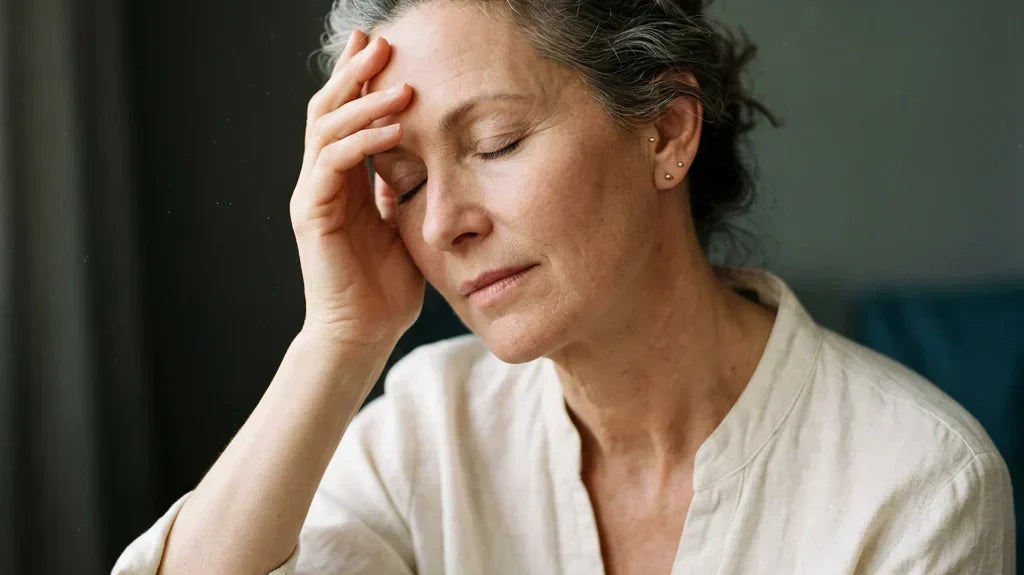
Dizziness and Menopause: Hormonal Causes and Solutions
Your perimenopausal dizziness is almost never "nothing." Declining estrogen levels directly disrupt the inner ear and blood pressure regulation. Before attributing it to stress, here's what few doctors explain to you—and how to alleviate daily episodes.
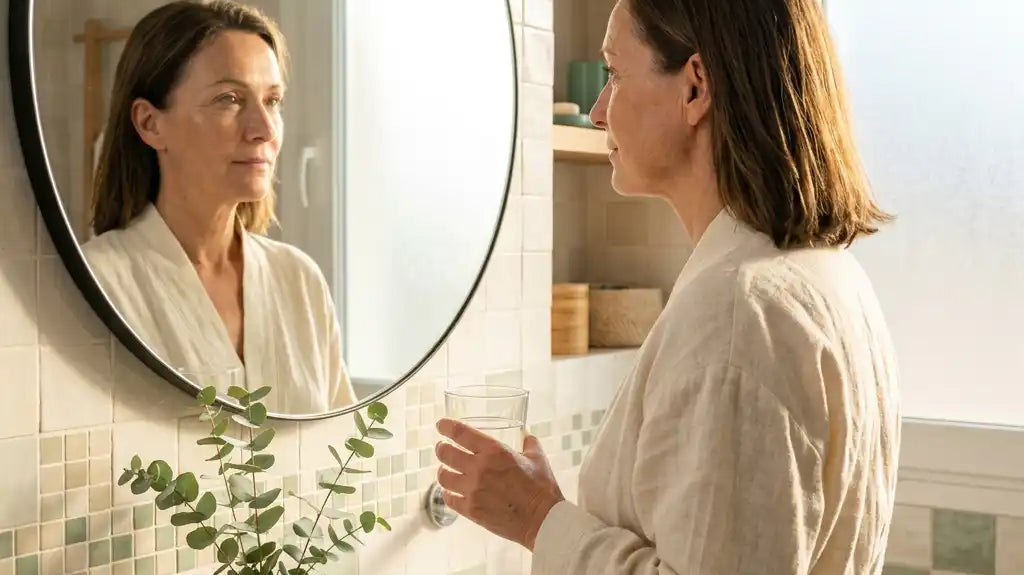
Strong-smelling urine in women: menopause, causes, and solutions
A drop in estrogen levels changes the bladder lining, intimate pH, and urinary microbiota — which explains why urine changes smell during menopause. Learn about the causes, types of odors, warning signs, and natural solutions to protect your urinary health.

Pelvic pain without periods: why it persists during menopause
Cramps, tightness, ovarian pain without periods... Why does this pain persist after menopause? Hormonal causes, warning signs, and natural solutions.

Ovarian cysts after menopause: symptoms, risks, and monitoring

Menopause: Symptoms, Hormones, Treatments & Advice from a Gynecologist (Complete Guide 45+)
Menopause is a natural stage in a woman's life, but its symptoms — hot flashes, sleep disturbances, vaginal dryness, weight gain or osteoporosis — can profoundly impact quality of life.
In this comprehensive guide, an expert gynecologist explains what is really happening at the hormonal level, when to consult, which hormonal (HRT) or natural treatments to consider, and how to protect your long-term health.

Perimenopause vs. Menopause: How to Identify Your Stage (And Act Accordingly)
Perimenopause begins between the ages of 40 and 45 with irregular cycles and mild symptoms, while menopause is confirmed after 12 months without menstruation (average age: 51). Key differences: perimenopause lasts 4-8 years with fluctuating hormone levels; menopause marks the definitive end of ovarian function. Both stages share symptoms such as hot flashes, but differ in intensity and duration. Identifying your stage allows you to apply specific wellness strategies.
